

Turning Mental Health Awareness into Action for Workplace Wellbeing
 Take kind and focused action: Train your mind!
This year’s UK Mental Health Week focuses on turning general mental health awareness into purposeful action. Similarly, the ongoing US Mental Health Month carries the theme ’More Good Days, Together.’ Both encourage us to reflect on how we can work and live better while maintaining a fit and resilient mind.
On good days, people think and act more clearly, collaborate more effectively, and handle challenges with greater calmness and confidence. The key question is how we shape advocacy, education, and wider engagement so that more good days become possible for everyone—whether at work or outside it.
This is why proactively training your mind for mental strength matters. Mental wellness focus should begin long before stress, exhaustion, or burnout appear.
Just as physical fitness is maintained through regular practice, mental fitness is strengthened through self-awareness and self-leadership that allows you to regulate mental and emotional processes within your mind.
Stress reduction is a skill that absolutely everyone needs. It is a foundation for securing a calm and fit mind.
A calm and well-trained mind can sustain focus, apply conscious decision-making, and remain resilient, even when meeting challenges.
By investing in mental wellness early, individuals and organizations can reduce unnecessary stress, prevent burnout, reduce anxiety, and create healthier, more sustainable ways of working and living.
Proactive mental wellness focus
Proactive mental wellness should be the focus for workplace wellbeing, as without calm and fit-minded people who work well and are engaged and productive, there simply is no sustainable business. Sacrificing mental health for work makes no sense in the long run. Yet, positive stress and hard grinding are often glorified and overvalued compared to working smart, keeping calm, and being focused.
This is why the UK Mental Health Awareness Week carries a powerful and timely theme this year: ‘Action’. It calls on all of us — individuals, communities, and organizations — to move beyond plain awareness of mental health and take meaningful steps to build a path to sustaining mental wellness through practical action.
Even small actions can create hope, reduce feelings of powerlessness, and spark real change.
For example, establishing a healthy habit of taking breaks and having access to a silent space can help people relax and build the capacity to return to the task at hand a moment later with a fresh view and energy.
When people at workplaces take the same proactive mental wellness training and act together, our collective impact becomes far greater.
Mental Health Affects Everyone
It is estimated that 1 in 4 people in England will experience a mental health issue at some point in their lifetime. In the US and many other countries, the problem is even bigger.
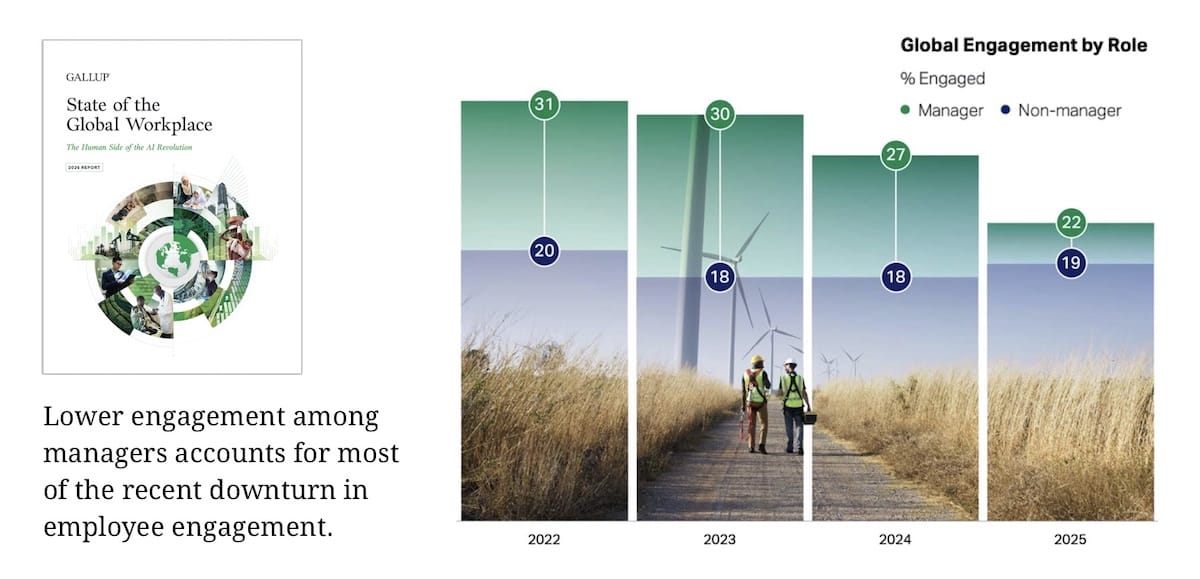
It all starts with stress, as 9 out of 10 people who are of working age experience some form of stress and pressure during the last year. About 40% have felt stressed during the previous day in the office (see the graph from the Gallup 2026 report below). Those numbers are unacceptable, and yet very few employees and leaders take action to reduce them. Ignoring the problem usually makes it bigger, and this is confirmed by a decade of mental health studies.
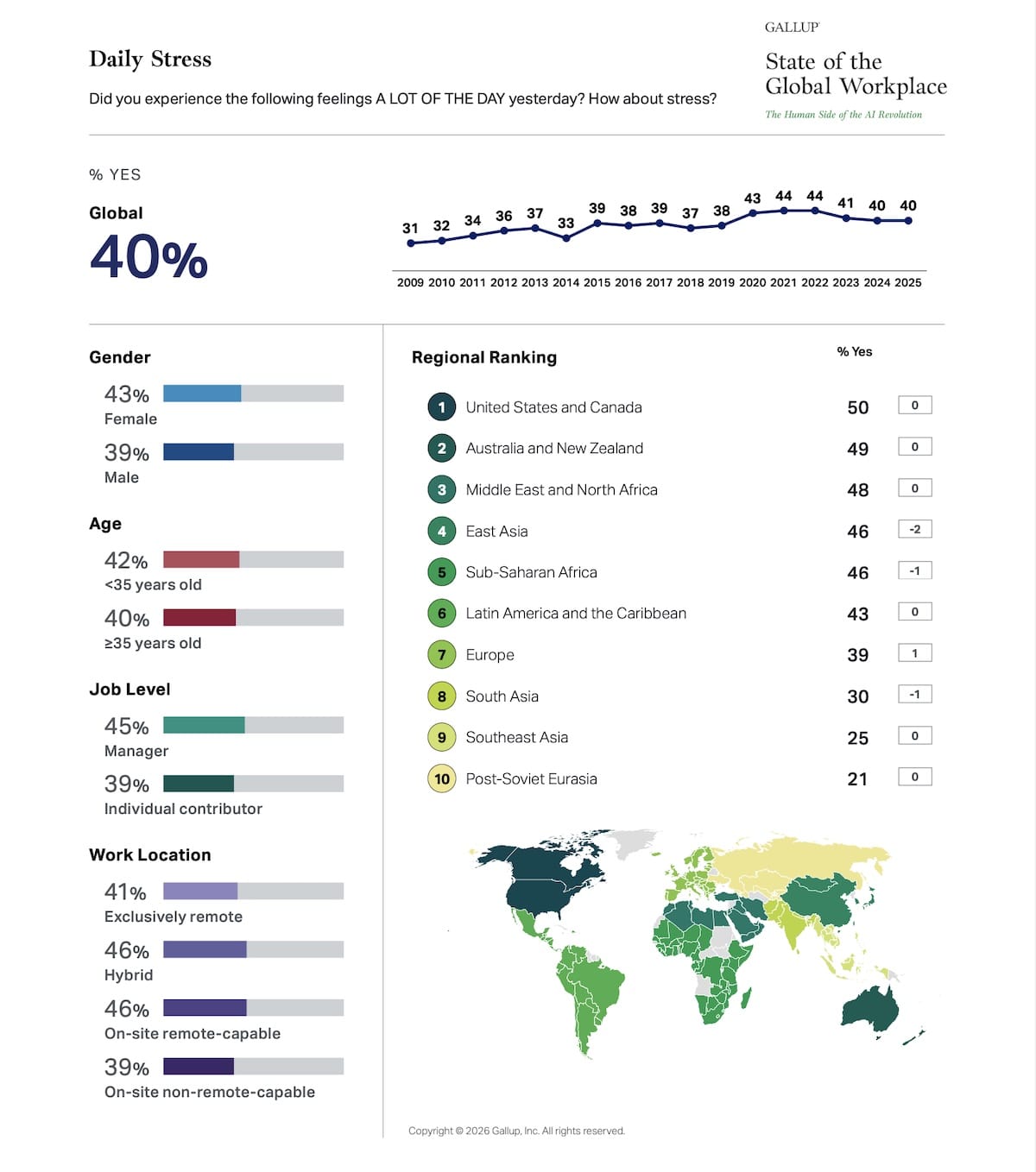
In today’s fast-paced, high-pressure work environments, mental health and fatigue-related challenges are increasingly visible as we also face the fiat currency problem driving endless inflation, which in turn forces people to have more than one job to make ends meet.
As a result of speed and inner reactivity, chronic stress, anxiety, and burnout have become widespread, particularly among professionals, business leaders (executives, HR leaders, etc.), as both people and teams are often facing heavy workloads and huge systemic challenges to the AI boom and the reshaping of the international order.
When the constant digital demands, fears, and challenges from using AI meet vanishing boundaries between work and home life, people often get depleted. Those huge shifts cause anxiety, mental and emotional pressure that can lead to milder health issues (including physical and mental tensions) and cause even illnesses (heart disease, depression, anxiety disorders, just to mention a few).
Why Workplace Mental Wellness Matters More Than Ever
Workplace mental wellness is now essential for sustainable performance, talent retention, and organizational success.
As we have explained in our earlier blogs, when employees experience prolonged stress, it affects focus, creativity, decision-making, and collaboration. Left unaddressed, it leads to higher absenteeism, presenteeism, staff turnover, and ultimately high costs for employers.
Securing mental health at work requires moving from reactive support to systematic, proactive action. This means identifying and reducing preventable stressors (that is, indeed, very supportive) and training your mind to become stronger and less reactive. When you, instead of reacting subconsciously, start to respond calmly and consciously, the stress escalation into burnout becomes preventable.
Workplaces and businesses that invest in proactive mental wellness training can see up to tenfold ROI that arrives as improved employee engagement, better leadership presence, improved inner calmness among people, and more resilient work cultures.
|
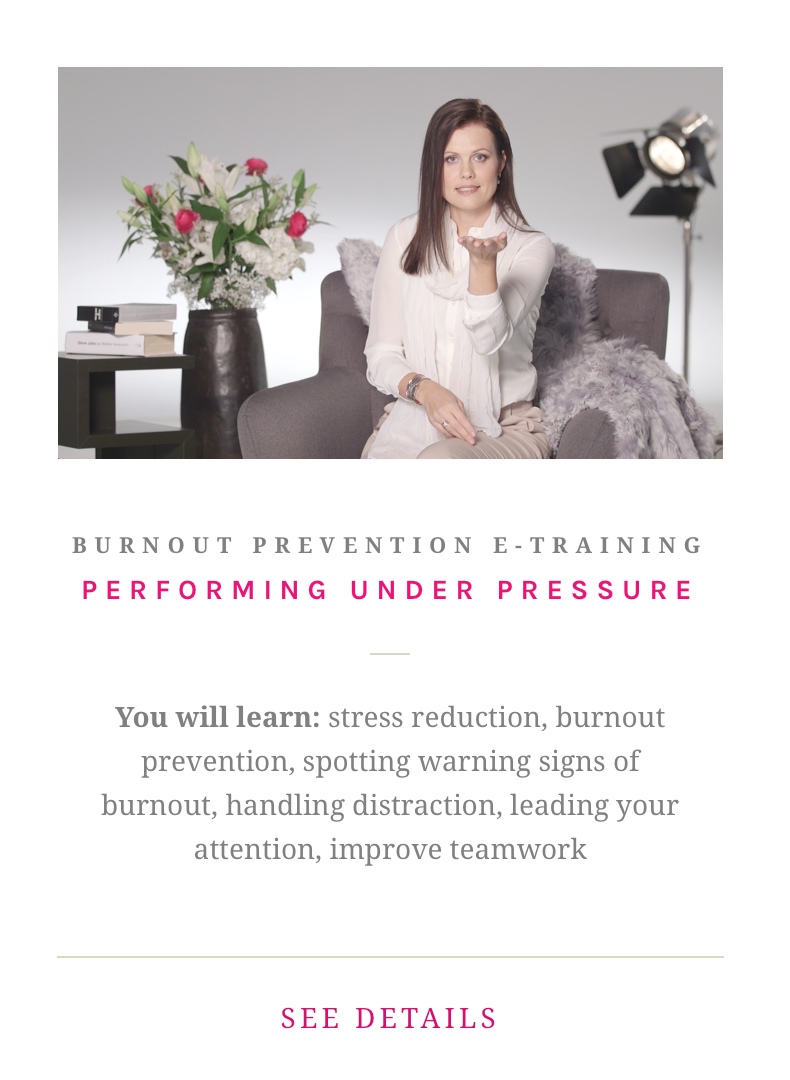
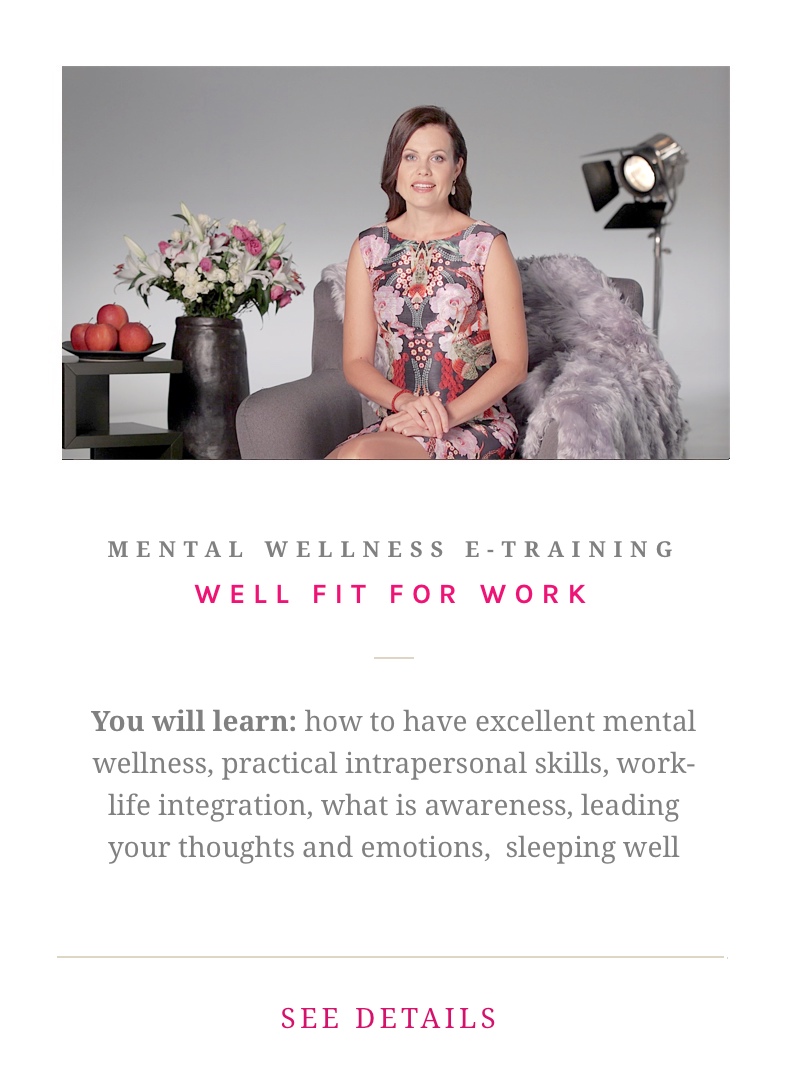
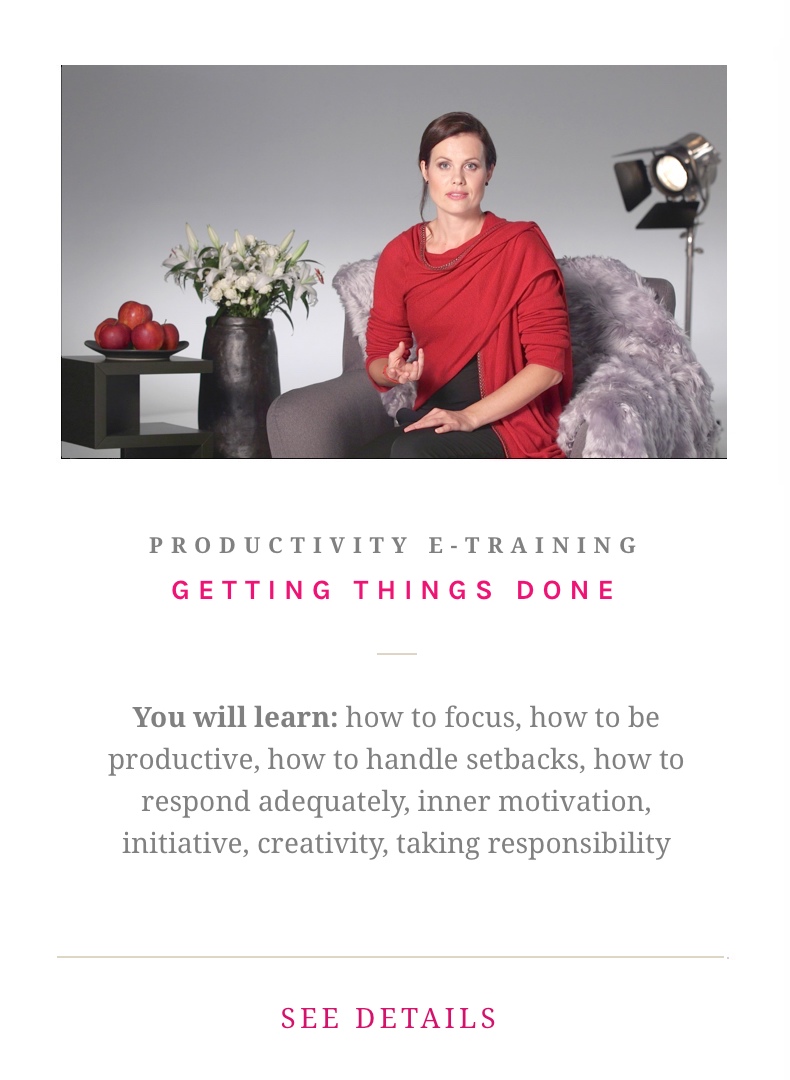
Mental Health Awareness Week or Mental Health Month provides the perfect moment to accelerate this shift from simply talking about mental health to embedding practical, everyday practices that protect and strengthen it. All such meaningful and sustainable action is based on training intrapersonal skills.
Unfortunately, or luckily, all skills are personal. You can’t effectively use skills that you have never developed. This is especially true for self-leadership, mental and emotional self-regulation, stress management, and conscious decision-making.
Knowledge alone isn’t enough; skills only become real when they are practiced consistently, and then successfully applied when you feel under pressure.
That is why everyone benefits from training their mind and actively strengthening their intrinsic skill sets. Fit-minded people are the ones who have the power to be engaged and thrive. Be a kind-hearted leader and show the way by training your own mind first, and then you will see engagement levels improve.
What does Mental Wellness Influence?
The ability to remain calm, focused, adaptable, and resilient directly influences relationships, leadership quality, and professional performance.
When people intentionally develop intrapersonal capabilities, they become better equipped to spot stress early and reduce their own reactivity.
Nipping stress in the bud is what allows one to prevent burnout and respond to challenges with conscious clarity rather than overwhelm and worry.
A fit and well-trained mind supports individual wellbeing and responsibility, and as a result leads to healthier workplaces, stronger collaboration, and builds a path to sustainable long-term success.
Taking Systematic Action to Reduce Stress and Burnout
Real progress happens when leaders and teams commit to proactive strategies rather than waiting for a crisis. Here are key areas where meaningful action delivers results:
- Spotting stress and reducing stressors early. Leaders should regularly assess where consistent, preventable stressors exist in daily workflows — reducing unclear expectations, inefficient processes, unrealistic deadlines, or poor communication can make a huge difference. Addressing these structural issues is one of the most effective ways to reduce stressors that contribute to chronic stress and burnout risks.
- Improving inner calmness and self-leadership. Training minds to respond consciously rather than reactively is a game-changer. Guided practices that cultivate awareness, inner calmness, and mental and emotional regulation help people maintain inner clarity and resilience even under pressure.
- Creating psychologically safe work and leadership cultures. Encourage open conversations about workload and improving mental wellbeing. When executives, managers, and employees all become equipped to recognize early signs of stress, a big difference can be made. All health issues are easier to prevent than to cure. A psychologically safe workplace is where people are open-minded and respond with support rather than adding gossip, neglect, and pressure. When radical open-mindedness is valued and mistakes treated as lessons, people feel safer and can become more engaged.
- Designing work for mental sustainability. This includes realistic workload planning, protecting focus time, setting healthy boundaries, and ensuring recovery periods. Smart scheduling and role clarity prevent the constant overload that so often fuels burnout.
- Honoring ‘No’ and free will. When someone genuinely feels they no longer have the capacity to take on additional work, they should be able to decline new tasks—at least unless existing responsibilities are reduced, postponed, or reprioritized. A clear and honest “no” usually creates far fewer problems than allowing pressure to build unchecked. When excessive workload is constantly ignored, stress accumulates, performance declines, and burnout risk rises significantly. Eventually, the consequences affect not only the individual but also colleagues, teams, and the wider organization. Stress can spread quickly through workplaces when exhausted people are expected to continue operating beyond healthy limits. Creating a culture where people can communicate openly supports mental wellness, healthier collaboration, and more sustainable long-term performance.
By taking systematic actions, leaders and employees don’t just support their own mental health but also actively create more conscious and serene environments where people can thrive.
For employers and leaders, this week in the UK and the month in the US is an excellent opportunity to launch or strengthen proactive mental wellness initiatives.
Introducing regular mental wellbeing check-ins, as all Wellness Orbit trainings allow in the form of self-evaluation tests, or taking an hour or two each week to go through a systematic mental wellness training session, is what should be widely encouraged.
All our online trainings leave you more relaxed afterwards and improve your inner calmness, and build a foundation for more conscious (self-)leadership.
Conclusion
Mental health at work is foundational to performance, innovation, and long-term success. By using mental health awareness campaigns as a catalyst for taking more systematic and proactive action, you and your team members can reduce stress, prevent burnout, and build workplaces where people feel supported, valued, and able to bring their best selves every day.
The theme this year is ‘Action’, don’t postpone taking it, as health is easy to lose and hard to restore.
The question is: What meaningful step will you take now? Both as a working individual and as a leader, consider how you apply what you learn in our e-trainings to improve your work culture and work patterns.
Small, consistent actions, such as taking an hour a week to train your mind and using what you learned for the rest of this week, multiplied across teams, can create powerful and lasting change.
|
This mental health awareness week blog post is shared by Kaur Lass