
Equanimity is easy when you know proven ways to keep your inner calm. Equanimity meaning also mental calmness, composure, evenness of temper, and excellent self-control, especially in a difficult situation.
Are you aware that your equanimity originates from your intrapersonal ability to stay calm in a challenging situation?
We learn our reactions, including our negative reactions, from our parents, friends, teachers, etc. Our reactivity is always 100% learned. It is also subconscious. Our reactions are designed to keep us alive while we don't operate with full consciousness.
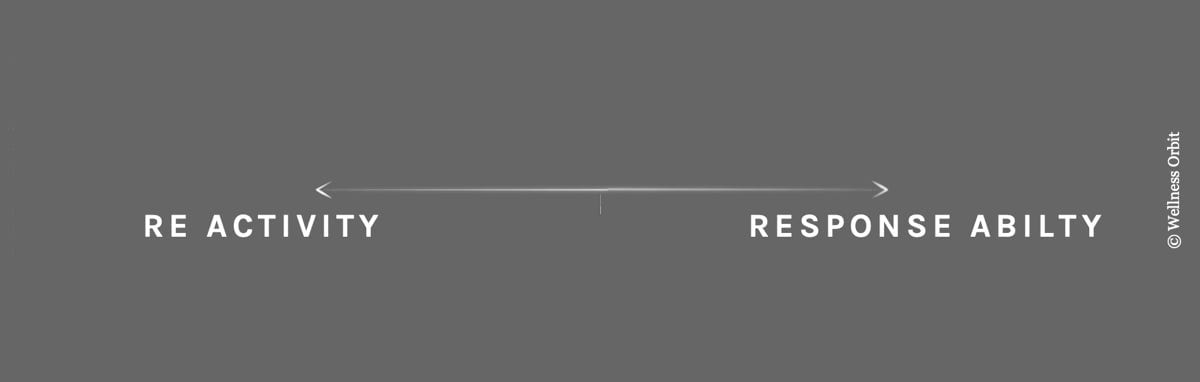
When our mind turns reactive, it becomes impossible for us to stay calm. However, our core essence as human beings is calm. As your True Self, underneath all our reactions, worries, stress, and anxiousness, we aren't reactive.
Do you remember yourself as a young kid? Did you worry, or were you happy and present?
You probably were happy to be present in what you did, and you noticed tiny details and were able to enjoy them. Wasn't it so?
What if you could get it all back?
Your true essence is calmness
The key is to know that Your True essence is silent and calm by nature. You just need to regain your equanimity as it equips you with awareness and relaxed self-control.
With this proactive mental wellness website, you rediscover how to be the calmest person in the room.
Our focus is on giving you a path to replace your current reactive mindset with a proactive mindset that allows you to respond adequately in every situation. There is an endless amount of stressors out there. But you have no power over them. You have power only over your own equanimity; when your mind is calm, stressors don't trigger reactions.
A calm mind equips you with the choice to choose how you respond.
You too can learn how to spot irritations and distractions in your mind and deal with those before they start running wild by learning awareness-based intrapersonal skills. Such practical inner skills support you in all situations and are at your disposal for life.
Equanimity becomes easy when you have good intrapersonal skills.
Mental wellness is when you experience equanimity. Mental wellness is more than a personal asset. Securing mental wellness for everyone in your team makes a lot of sense, as it is an investment with up to tenfold ROI.
Equanimity as your benefit
Our intrapersonal processes keep our minds more occupied than the external stimuli around us. Even when you read a news story or watch TV, what you read and see keeps going around in your head after reading or watching the program or movie stops.
When your colleague says something, how often do you, instead of just listening, start an inner conversation and emotional turmoil over it?
Is this useful or misleading? Entire workplaces often turn toxic as people lose their inner calm and start reacting. Mentally toxic workplaces only cease and become calm again when people in those workplaces feel calm and well.
Only when equanimity is there on a personal level can people start to enjoy healthy relations with others.
A focused mind, however, keeps attention where needed, while an untrained mind seeks novelty.
Let's take one example. Can you recall a longer meeting? How often:
- Did your mind wander and end up thinking about lunch, dinner, a holiday, or some other event?
- Did you, instead of listening and contributing in a meeting, where you were just dealing with tiredness and avoiding falling asleep while sitting there?
- Did you, instead of focusing on giving possible solutions, start to worry due to past negative emotions in similar situations?
We did not, as if; It has happened to most of us.
However, you aren't your mind. You have a mind. All those mind wanderings happen because your mind isn't trained to keep focus and be present.
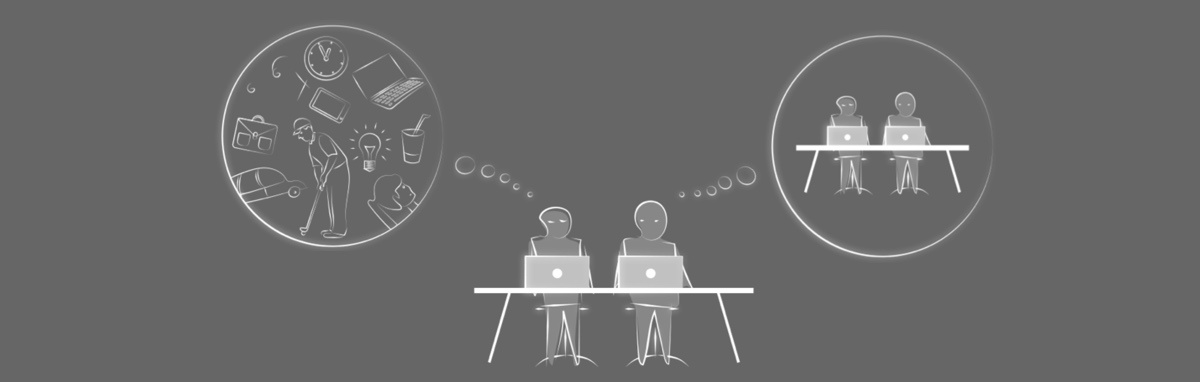
Training your mind allows you to replace mind wandering with being focused and fully present (see the image below).
Train your mind to cultivate equanimity
Our thoughts and feelings are our tools, not our masters. When they become our masters and run us, our lives become messy. Our thoughts and emotions often run on habitual subconscious patterns. When our life is on autopilot mode, we have very little control over our intrapersonal processes (see the person on the left-hand side above).
Equanimity can and should be cultivated. When we train our focus to remain present, our intrapersonal skills allow us to become the person on the right-hand side above.
The application of intrapersonal skills also has other benefits (see the graph below). Intrapersonal skills build a path to better employee engagement and improve productivity. People with good awareness-based intrapersonal skills are more insightful, resilient and take initiative. They manage their activities in time and know how to concentrate even in open offices.
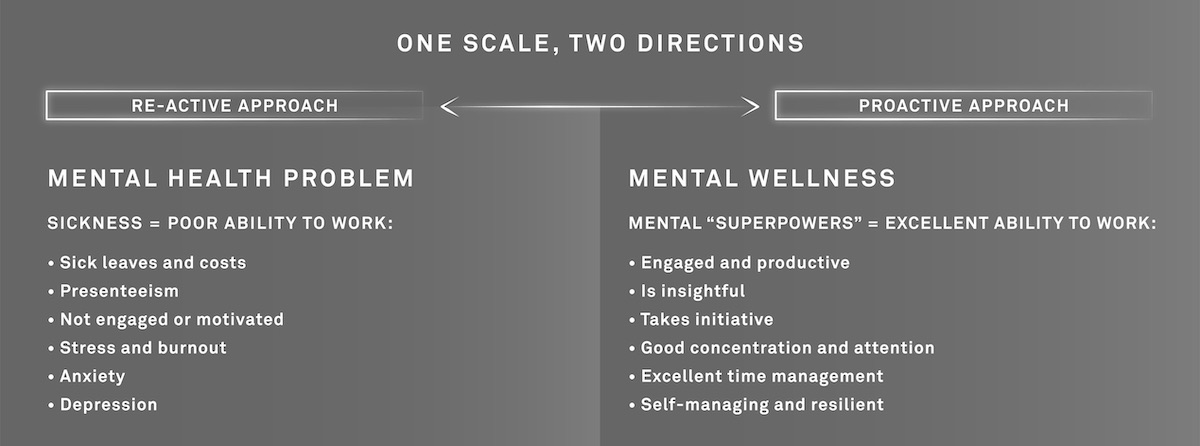
Training your mind to have better equanimity builds up your conscious will. Your ability to be aware and fully present opens up inner superpowers (see the right-hand side of the scale on the graph above).
Running your thoughts and emotions on autopilot mode and experiencing worry, stress, and anxiousness will probably place you after long years of struggles at the left-hand side of the graph above.
This graph above is about reactivity vs proactivity and about inner automatic reactions vs aware responses. Which dominates your mind today?
It is time to step out of autopilot mode
You have learned all your thought patterns and emotions. When your train of thought is running wild, it gives you worry and stress. When you add negative emotions, you burn out and become stressed or end up with anxiety.
Our lack of inner mastery, as humans, in using our emotions combined with our ability to let emotions go, as opened up in this blog and book, limits our mental capacity and reduces our mental wellness at work and off work.
By taking time to rediscover your inner calmness, you can start to lead your inner processes at will. When you, as an aware person, take the driver's seat in your life, you become more free, focused, and efficient at what you do. Also, you can start discovering the inner superpowers on the graph above.
Conclusion
We can sum this up by stating that leading your intrapersonal processes allows you to enjoy your life and work. Intrapersonal skills have the power to calm you down and empower you.
Your equanimity and inner calmness, while facing challenges, allow you to stay focused and be engaged with what you do.
It becomes easy to stay calm when you train your inner wellness proactively. On this website, we have made such training affordable and easy to use.
|
Regular mind training will bring equanimity and freedom from stress and other work-related mental health issues.
Before moving on, please click and listen to what people have to say about these new proactive mental wellness training benefits.