

Corporate wellness training programs have become increasingly popular for good reason. Workplaces have noticed the importance of employee health and well-being, both for the individuals themselves and for the general success of the company.
While physical health is often the primary focus of these programs, mental wellness and excellent mind health are even more crucial components. Remember, most of the modern work is carried out by using our heads. Remember, it is human smartness, initiative, and creativity behind the reasons why you hire people instead of using programs, robots or AI.
Let's explore the benefits that securing good mental wellness and excellent mind health can have for both individuals and teams, as well as some strategies for achieving these goals through mind health focused corporate wellness training programs.
What is mental wellness?
Mental wellness refers to our overall state of psychological well-being. It encompasses a range of factors. Such as our emotional and cognitive states, our ability to cope with stress and adversity, and our sense of purpose and fulfillment in life.
Maintaining good mental wellness is essential for our overall health and well-being, as well as our ability to function effectively in our personal and professional lives. You can find more about the new and efficient proactive mental wellness approach here.
When our mental wellness is compromised, it can experience a range of negative consequences. Such setbacks lead to decreased productivity, increased absenteeism, and higher rates of illness. All of those negative aspects are avoidable if we train our minds to stay fit and well, while we are still well.
What is mind health and how to maintain it?
Mind health, also known as cognitive health, refers to the health and function of our brain and cognitive processes. This includes our ability to think, reason, remember, learn, and be creative, as well as our overall mental agility and flexibility. All such abilities can be superficial or well-trained and always easily applicable and practical intrapersonal skills.
Our intrapersonal skills allow us to work well, lead our thoughts, access creativity, and lead our inner responses with full awareness of how those affect ourselves and others around us.
Maintaining good mind health is important for a range of reasons, including our ability to perform well in our jobs, our capacity to learn new skills and adapt to new situations, and our overall quality of life.
When our mind health is neglected, it can lead to a range of negative outcomes. Such as decreased job performance, difficulty learning new skills, and increased risk of cognitive decline (like dementia later in life).
Benefits of good mind health at work
There are numerous benefits to maintaining good mental wellness and mind health in the workplace. When employees are mentally well and cognitively sharp, they are better able to focus on their work, stay motivated, and perform at their peak levels without stressing out.
Increased productivity and performance are possible without stress, anxiousness, or even more serious mental health issues only when people possess excellent intrapersonal skills. As most don't, we have seen a great resignation trend.
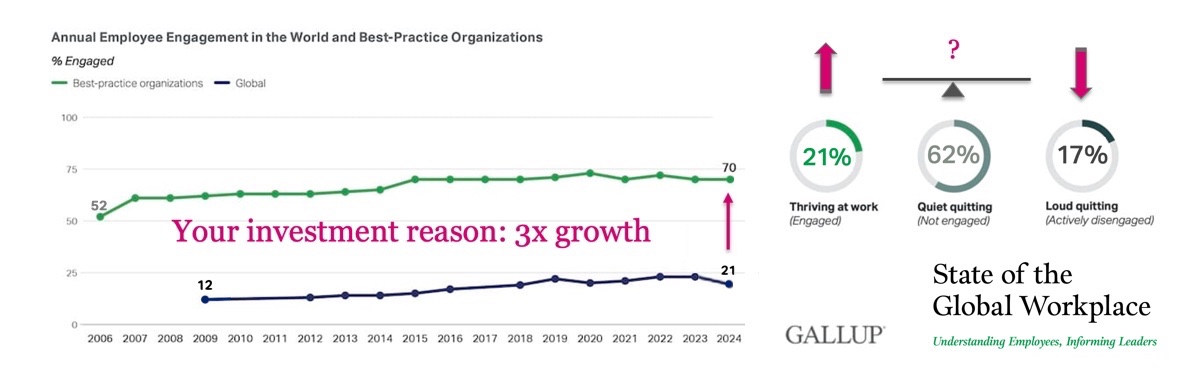
People with good mental wellness are up to 3 times more productive and engaged than an average person with their worries and stress.
Reduced absenteeism and presenteeism come from removing stress and securing fit minds proactively. However, such a proactive mental wellness approach isn't yet common; thus, we need a mind health revolution.
Poor mental wellness and mind health can lead to increased absenteeism and presenteeism (when employees are physically present but not fully engaged or productive, as shown in the graph below). So, ignoring employee mental health leads easily to decreased engagement, increased turnover (see the quiet and loud quitting data by Gallup from 2025 below), and negative impacts on overall workplace morale.
By promoting good mental wellness and mind health proactively, workplaces can reduce stress, burnout, anxiety, and other mental health issues and ensure that employees can perform at their best.
When employees feel mentally well and cognitively sharp, they are more likely to feel positive about their work. This can lead to improved morale and job satisfaction, which can in turn lead to reduced turnover and increased retention rates.
Lower healthcare costs and improved safety
Poor mental wellness and mind health can lead to increased healthcare costs for both employees and employers. By promoting good mental wellness and mind health for everyone, it is possible to reduce these costs and improve overall health and well-being.
When employees are mentally fit and cognitively sharp, they are better able to focus on their work and stay alert. This can lead to improved safety in the workplace, as employees are better able to identify and respond to potential risks before those turn into possible accidents.
Strategies for promoting mind health in the workplace
How can you promote good mind health in the workplace?
Offer proactive mental wellness trainings and support when early warning signs appear, including access to counseling services and psychological help. By providing these resources, employees can get help and maintain good mental wellness.
|

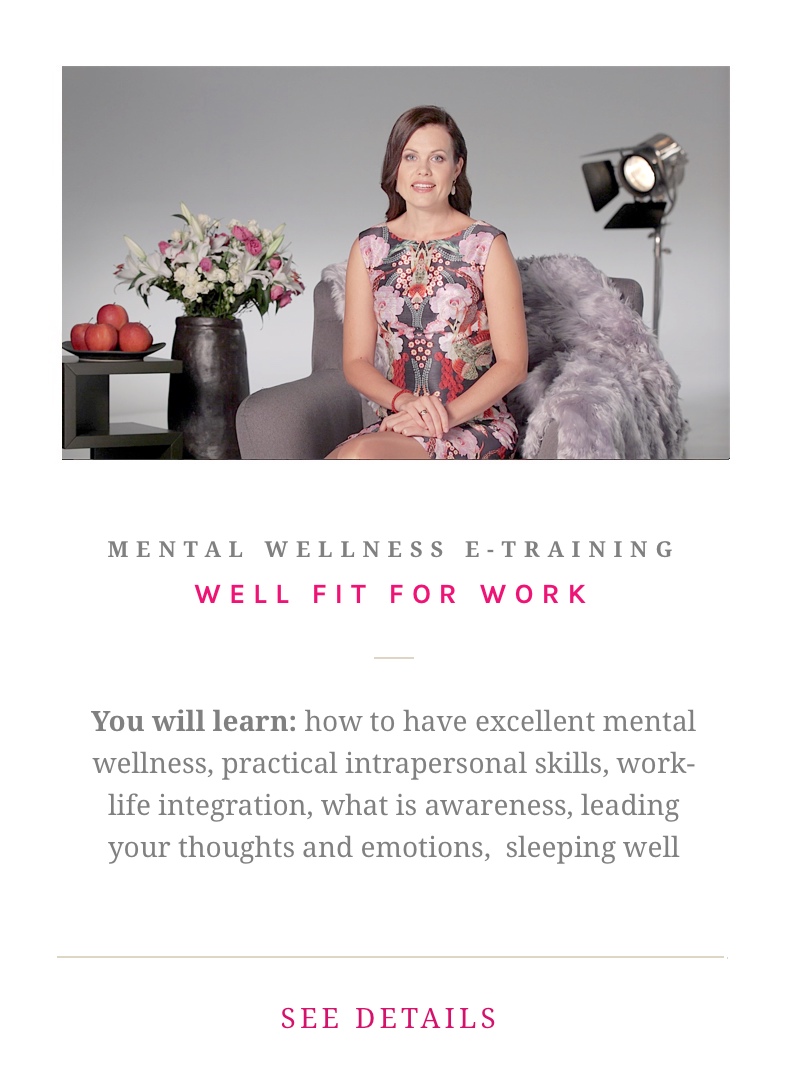

Having excellent mind health is beneficial as people no longer have to sacrifice their inner wellbeing and calmness to achieve productivity.
Remember to encourage work-life balance
Leaders and managers can encourage work-life balance by offering flexible work arrangements, like flexible schedules, remote work options, and job sharing. This allows employees to better integrate their life and personal responsibilities with their work obligations, thus improving their overall well-being.
A good life-work balance allows people to stay in the same workplace longer as their work adapts to their lifecycle changes.
Good personnel are hard to find and expensive to train, so keeping your brightest minds working for you as long as possible truly matters.
Conclusion
Promoting good mental wellness and mind health in the workplace is crucial for both employees and leaders and secures an excellent work culture. The numerous benefits include increased productivity, improved morale and job satisfaction, and reduced healthcare costs.
To achieve these goals, organizations can share mind training resources for every person and encourage work-life balance.
The modern workplace can provide opportunities for social connection and mutual learning. When people acquire proper intrapersonal skills to retain stress and burnout risks in control, it becomes straightforward to secure good mind health.
By prioritizing mental wellness and mind health, organizations can create a healthier and more productive workplace for everyone. In such workplaces, people are engaged and thrive.
Before you leave, watch this short video and learn the benefits of excellent mental wellness.